When people try on wigs for the first time, one of the most common reactions is:
“It just doesn’t move like real hair.”
And they’re right.
The difference often comes down to something most people have never considered—hair direction. It’s one of the most important (and most overlooked) factors that separates average wigs from truly real wigs that look completely natural.
What Is Hair Direction?
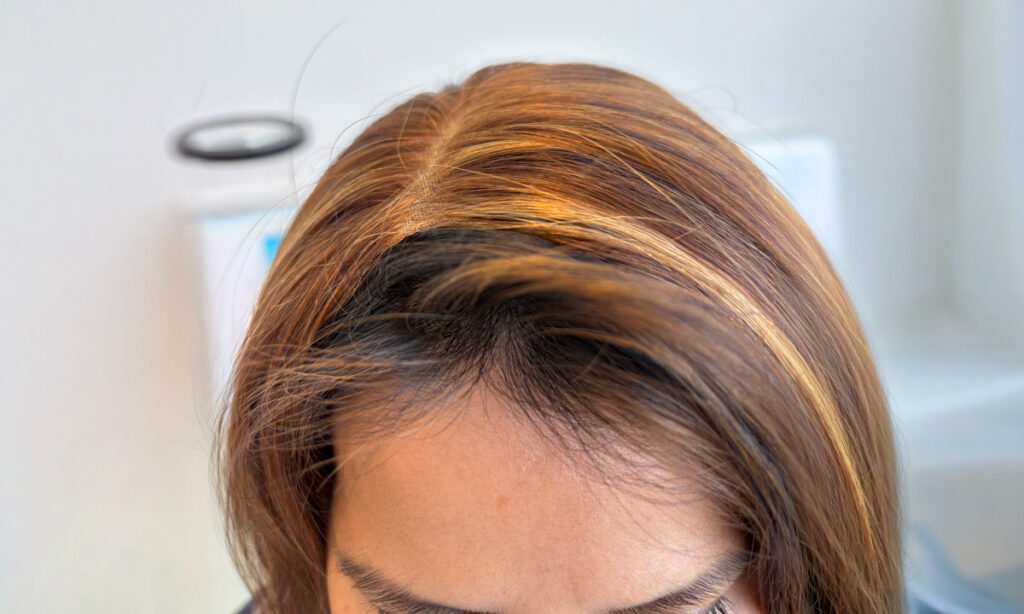
Hair direction refers to the way each individual strand is positioned and falls from the scalp.
On your natural head of hair:
- Every follicle grows at a slightly different angle
- The hairline is irregular—not perfectly straight
- Movement happens organically, not uniformly
This subtle randomness is what makes real hair look… real.
Why Most Wigs Don’t Fall Naturally
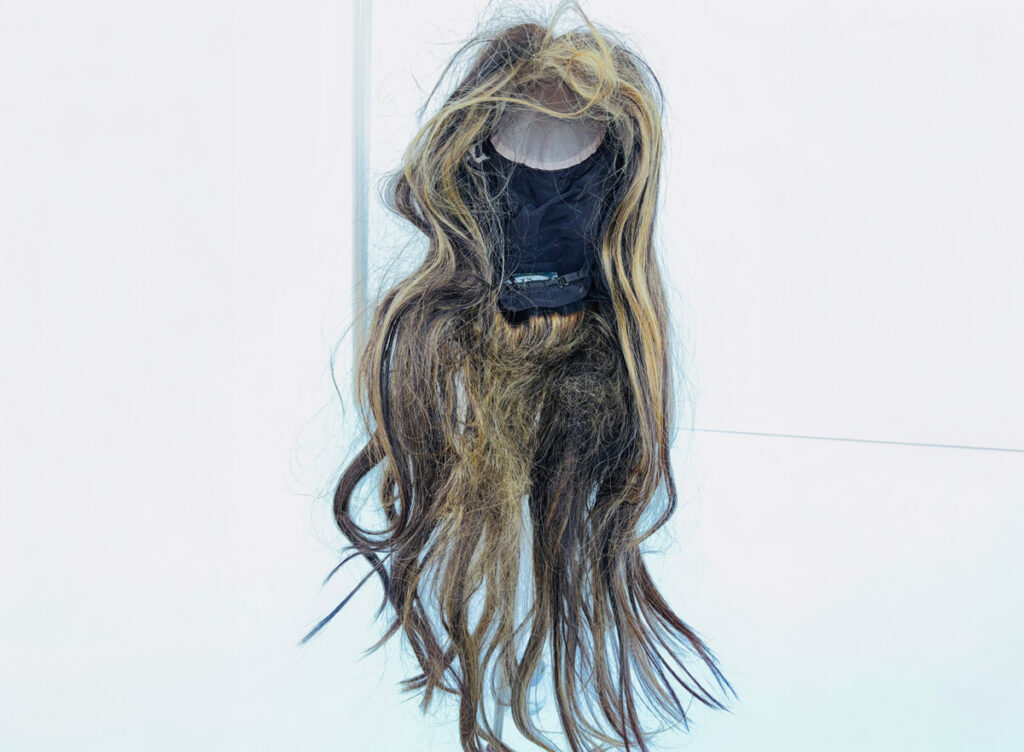
In many wigs—especially mass-produced ones—the hair is:
- Placed in a uniform direction
- Sewn or machine-ventilated in straight rows
- Designed for efficiency, not realism
The result?
- Hair may sit too “perfectly”
- Movement feels stiff or unnatural
- The wig doesn’t respond the way real hair does when you turn your head
This is why even expensive wigs can still look like wigs.
The Role of Hand-Tied Ventilation
In high-quality real wigs, especially bespoke pieces, hair is:
- Individually hand-tied into the base
- Placed with intention—mimicking natural growth patterns
- Directed differently at the crown, temples, and nape
This process is called ventilation, and it’s where true craftsmanship comes in.
At the crown, for example:
- Hair must be angled to create a natural “swirl” or lift
At the hairline:
- Strands are placed irregularly to avoid a harsh edge
Without this level of detail, the wig may technically be made of real hair—but it still won’t behave like it.
Why This Matters More Than You Think
Hair direction affects:
- Movement – how the hair flows when you walk or turn
- Parting – whether you can change the part naturally
- Volume – whether the wig sits flat or lifts appropriately
- Undetectability – whether someone can tell it’s a wig
It’s often the invisible difference between:
- “That’s a nice wig”
and - “I had no idea that wasn’t your hair.”
What to Look for When Choosing a Wig
If you’re exploring wigs in Toronto, and want something that truly looks natural, pay attention to:
- How the hair falls when you move your head
- Whether the hairline looks soft and irregular
- If the crown has a natural lift or swirl
- Whether the stylist can explain how the hair was ventilated
These details matter far more than length or even color.
The Bespoke Difference
A truly custom wig isn’t just about fit or color—it’s about replicating how your hair would naturally grow.
That includes:
- Matching your natural direction and parting
- Designing density and flow specific to your face
- Creating movement that feels effortless
This is what transforms a wig from something you wear into something that feels like you.
Final Thoughts
If your wig doesn’t fall naturally, it’s not your imagination—and it’s not something you just have to accept.
Hair direction is a subtle science, but when done correctly, it makes all the difference.
And once you experience it, you’ll understand why not all real wigs are created equal—especially when searching for high-quality wigs in Toronto.