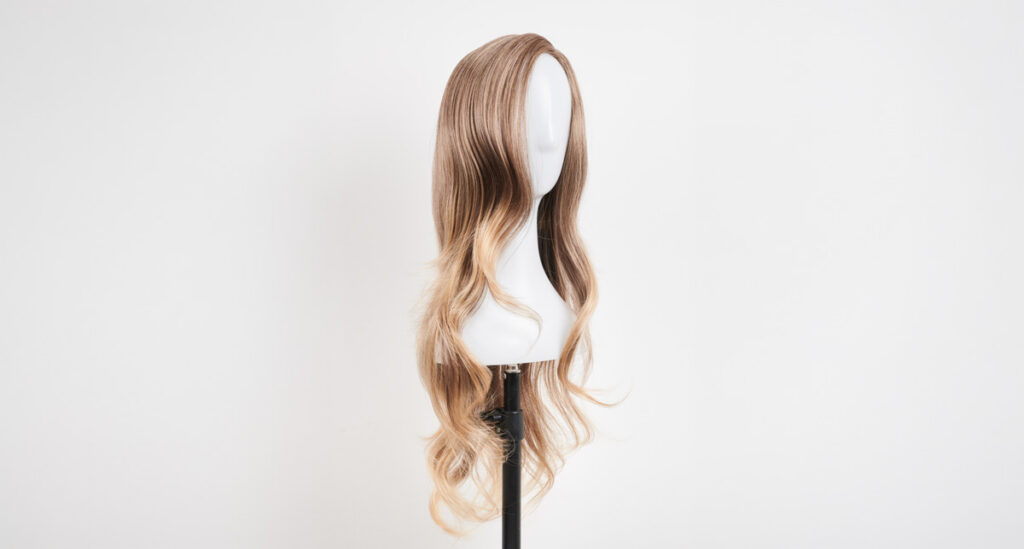
When investing in a luxury wig, one of the most important (and often misunderstood) factors is hair origin. Although many wigs are labeled “100% human hair,” not all human hair behaves—or lasts—the same. Where the hair comes from directly affects softness, movement, longevity, and how natural the wig looks over time.
At Paula’s Wig Boutique—widely regarded as the best wig store in Toronto—we believe education is just as important as craftsmanship. Understanding hair origin empowers our clients to make confident, informed decisions when selecting premium human hair wigs in Toronto.
Why Hair Origin Matters
Hair origin influences:
- Strand thickness and density
- Natural shine and movement
- Styling flexibility and color retention
- Long-term durability and resistance to tangling
Two wigs may both claim to be “human hair,” yet perform very differently depending on hair origin, processing methods, and overall craftsmanship.
Caucasian Hair (Also Known as European or Slavic Hair)
Caucasian hair—often referred to in the industry as European hair or Slavic hair—is widely considered the most luxurious and natural-looking option available for wigs and toppers.
Key characteristics:
- Exceptionally fine, soft strands
- Lightweight with natural movement
- Subtle, natural sheen (never overly glossy)
- Requires minimal chemical processing
Because Caucasian hair closely mimics the natural texture of many women of European descent, it blends seamlessly and ages beautifully. Its intact cuticle structure allows the hair to remain smooth, manageable, and long-lasting, making it ideal for bespoke, high-end wigs.
This is the hair we most often recommend to clients seeking the most realistic appearance possible—especially those experiencing medical hair loss or looking for a long-term investment piece.
Asian Hair: Strong but Often Heavily Processed
Asian hair is the most abundant hair source in the global wig industry, but it differs significantly in structure and performance.
Key characteristics:
- Naturally thick, straight strands
- High density with darker natural pigment
- Requires extensive processing to achieve lighter colors or finer textures
To meet market demand, Asian hair is often stripped of pigment, bleached, and coated with silicone to create an initial shine. While it may look glossy at first, that coating can wear off over time, potentially revealing dryness, stiffness, or tangling underneath.
For this reason, Asian hair must be selected and used thoughtfully to ensure it aligns with a client’s expectations for natural appearance and longevity.
Craftsmanship Matters as Much as Hair Origin
Hair origin is only one part of what defines a luxury wig. Overall quality also depends on:
- Cuticle alignment
- Processing integrity
- Density control
- Custom fit and ventilation technique
At Paula’s Wig Boutique, every wig is carefully evaluated and customized to suit each client’s lifestyle, hair loss pattern, and styling preferences. This bespoke approach is why clients continue to trust us for human hair wigs in Toronto and why we are consistently recognized as the best wig store in Toronto.
Final Thoughts
Choosing a wig isn’t just about color or length—it begins at the source. Understanding the difference between Caucasian (European or Slavic) hair and Asian hair allows you to invest in a piece that looks natural, feels comfortable, and maintains its beauty over time.
If you’re considering a custom wig or would like expert guidance tailored specifically to you, our team at Paula’s Wig Boutique is always here to help—with discretion, empathy, and uncompromising quality.
Because true luxury begins at the root.