One of the most common questions we’re asked at Paula’s Wig Boutique is, “How long will my wig last?”
It’s a perfectly reasonable question, particularly when you’re investing in a beautiful, high-quality human hair wig.
The answer, however, isn’t quite as straightforward as you might expect.
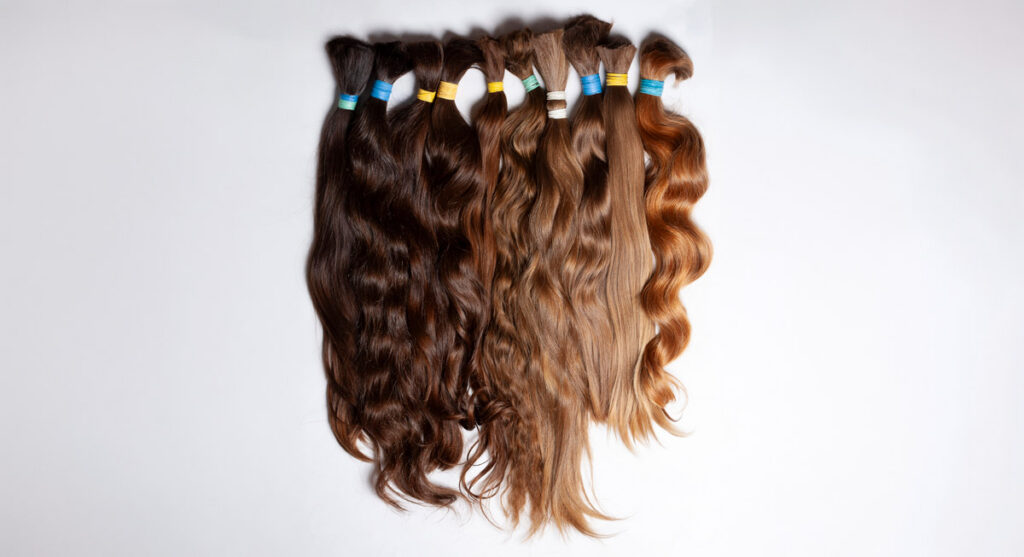
After more than 27 years of creating and caring for luxury human hair wigs, we’ve learned that even the finest wig, made from exceptional virgin European hair and constructed with extraordinary attention to detail, will eventually show signs of wear.
And that doesn’t mean there was anything wrong with the wig in the first place.
Understanding why wigs age, what causes deterioration, and how to care for them properly can make an enormous difference in both their appearance and longevity.
Your Wig Is Made From Real Hair—but It Isn’t Growing Hair
This is perhaps the most important distinction to understand.
The hair on your head is constantly growing and naturally replenishing itself. Individual strands eventually shed and are replaced by new ones.
A human hair wig doesn’t have that luxury.
Every strand of hair in your wig is finite. Once a strand breaks, sheds, or becomes excessively damaged, it cannot grow back.
And unlike the hair growing from your scalp, the hair in a wig no longer receives natural oils from the scalp along its length.
That means the hair relies entirely on appropriate care and conditioning to maintain its softness and manageability.
Even the most exceptional real hair wigs require ongoing maintenance.
Friction: The Silent Enemy of Beautiful Hair
If there’s one factor that contributes significantly to the deterioration of a human hair wig, it’s friction.
And unfortunately, friction is almost impossible to avoid.
Every time your hair rubs against your clothing, a scarf, a coat collar, or the back of a chair, the strands experience mechanical stress.
Over time, that repeated contact can roughen the hair’s cuticle, contribute to tangling, and eventually lead to breakage.
This is particularly noticeable at the nape of the neck, where the hair is constantly moving against clothing and skin.
Women who wear longer wigs often notice this first. The hair underneath may begin to tangle more easily, even while the rest of the wig remains beautiful.
It’s not necessarily a reflection of poor-quality hair. It’s often simply the result of everyday wear.
At Paula’s Wig Boutique, we’ve seen how much difference proper maintenance and friction-reducing techniques can make, particularly for women who wear their wigs daily.
Washing Your Wig: Necessary, but Not Without Wear
Of course, your wig needs to be washed.
Over time, hair accumulates environmental pollutants, styling products, perspiration, and oils transferred from the skin.
But washing also places stress on the hair and the wig’s construction.
Every wash involves handling, movement, and some degree of friction. Aggressive scrubbing, rough towel drying, or brushing while the hair is tangled can accelerate damage.
Even the water temperature, shampoo selection, and drying technique can influence how the hair behaves over time.
The goal isn’t to wash your wig as infrequently as possible. It’s to wash it when necessary and to do so gently.
A wig worn every day will generally require more frequent cleaning than one worn occasionally.
And because every woman’s lifestyle is different, there’s no single washing schedule that’s appropriate for everyone.
Heat Styling: Beautiful Results Come With a Cost
One of the greatest advantages of human hair wigs is their versatility.
They can be blow-dried, curled, straightened, and styled in ways that synthetic wigs often cannot.
But just because human hair can tolerate heat doesn’t mean repeated heat styling is harmless.
Every time a flat iron, curling iron, or very hot blow-dryer is used, the hair is exposed to temperatures that can gradually compromise its structure.
Excessive heat can weaken the cuticle, increase dryness, and eventually contribute to split ends and breakage.
This is especially important for blonde hair that has undergone lightening, since chemically processed hair may be more vulnerable to additional damage.
We always encourage our clients to use appropriate heat protection, moderate temperatures, and gentle styling techniques.
Beautiful hair doesn’t need to be subjected to extreme heat every morning.
The Wig Cap Ages Too
When discussing longevity, most women naturally focus on the hair itself.
But the construction underneath is equally important.
A high-quality wig may contain delicate lace, silk, hand-tied sections, and carefully constructed foundations designed to create a natural appearance and comfortable fit.
These materials are beautiful, but they aren’t indestructible.
Over time, repeated stretching, handling, washing, and daily wear can weaken portions of the cap.
Lace may develop small tears. Individual knots may loosen. Elastic components may lose some of their original tension.
The more delicate and natural-looking the construction, the more important careful handling becomes.
This is one reason why putting on and removing your wig gently is just as important as caring for the hair.
Why Certain Areas Wear Out Faster Than Others
A wig rarely ages uniformly.
In our workshop, we often see predictable patterns of wear.
The nape may develop tangling from friction. The hair around the face may become dry or fragile from repeated styling and handling. The parting area may gradually lose density, particularly in delicate hand-tied constructions.
These changes don’t necessarily mean the entire wig has reached the end of its useful life.
Often, one particular area simply needs attention.
Understanding these wear patterns allows us to recommend appropriate maintenance and, when possible, targeted repairs rather than replacing a wig prematurely.
Can a Human Hair Wig Be Repaired?
Absolutely. And this is one of the advantages of investing in a well-constructed wig.
Depending on its condition, a wig may benefit from professional conditioning, replacement of damaged lace, reinforcement of weakened areas, or the addition of new hair where density has been lost.
At Paula’s Wig Boutique, our in-house workshop allows us to perform many of these specialized repairs.
However, not every problem can be corrected indefinitely.
Hair that has become severely damaged cannot simply be restored to its original virgin condition with a conditioning treatment.
And there comes a point when the cost and extent of repairs may no longer make practical sense.
Sometimes a repair can meaningfully extend a wig’s useful life. Other times, replacing the wig is the more sensible decision.
Our goal is to help clients understand the difference.
So, How Long Should a Good Human Hair Wig Last?
There is no universal answer.
A woman who wears the same wig every day, styles it frequently, and lives an active lifestyle will naturally place more demands on it than someone who wears hers only a few times a week.
Hair length, texture, colouring, cap construction, and maintenance habits all influence longevity.
Some well-maintained human hair wigs remain wearable for several years, particularly when they receive appropriate professional care and occasional repairs.
Others may require significant attention much sooner, especially with intensive daily use.
A high price tag doesn’t guarantee a particular lifespan.
What superior craftsmanship and exceptional hair quality can provide is a better starting point—and often greater opportunities for maintenance and repair.
But no wig, regardless of its cost, should be expected to last forever.
Why We Believe in Educating Our Clients Before They Buy
When women visit our Toronto boutique or explore human hair wigs in Miami at our Aventura location, we believe they deserve realistic information about what they’re purchasing.
A luxury wig is a significant investment.
And part of making that investment confidently is understanding not only how beautiful the wig looks on the day you purchase it, but what will be required to keep it looking beautiful in the months and years ahead.
We would much rather explain the realities of wig ownership upfront than create unrealistic expectations.
That includes discussing washing, styling, friction, maintenance, and the possibility of future repairs.
Because a well-informed client is far better equipped to protect her investment.
The Best Wig Is One You Can Enjoy Wearing
It’s easy to become so concerned about preserving a wig that you forget why you purchased it in the first place.
Your wig is meant to be worn.
It’s meant to move with you, accompany you through your daily life, and allow you to feel comfortable and confident.
You shouldn’t have to treat it like a museum piece.
At the same time, understanding that even the finest human hair experiences wear helps you make sensible decisions about its care.
At Paula’s Wig Boutique, we’ve spent more than 27 years creating beautiful, natural-looking wigs and helping women maintain them.
We believe that exceptional quality, thoughtful craftsmanship, and realistic expectations should always go hand in hand.
Because a truly beautiful wig isn’t one that lasts forever.
It’s one that makes you feel like yourself every time you put it on.
Book a free private consultation to discuss the right wig and care routine for you.